
Preparation
Primer: When You Actually Need It (And When You Don't)

Primer is the most misunderstood step in painting. Some jobs demand it; others genuinely don't need it. Here's how professionals decide.
On this page
Always prime
Bare wood, bare drywall/mud, drastic color changes (especially dark to light), stains (water, smoke, tannin bleed), glossy surfaces being repainted, and repaired patches. These will fail or flash without proper priming.
Usually don't need primer
Repainting a clean, sound wall with a similar color in quality paint — modern paints with primer built in handle this fine. The key word is sound: no peeling, no stains, no bare spots.
Specialty primers for tough problems
Shellac-based for smoke and severe water stains; oil-based for tannin bleed and tough adhesion; bonding primers for glossy surfaces, tile, or laminate; masonry primers for concrete and brick. Matching the primer to the problem is the pro move.
The Chicago factor
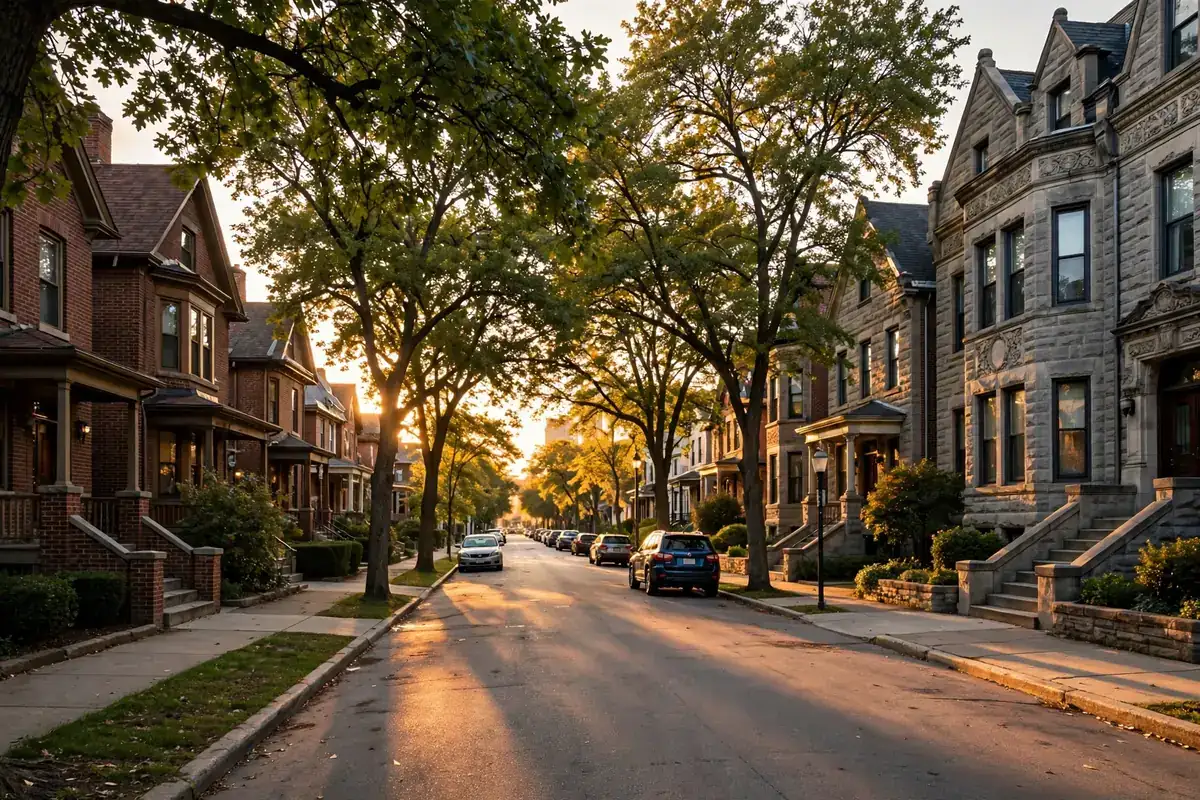
Older homes here often have oil-based paint under layers of latex, plaster patches, and water stains from ice dams — all primer situations. When in doubt, prime: it's cheap insurance against callbacks.
Need help with your painting project? professional painters in Chicago — call (312) 517-2232 for a free estimate anywhere in the Chicago area.
FAQs
For repaints over sound surfaces, yes. For bare surfaces, stains, or glossy substrates, use a dedicated primer.
Primer is inexpensive relative to labor — skipping it where needed causes failures that cost far more to fix.
Usually one. Severe stains or dramatic color changes occasionally need two.
Related Services
Keep Reading
How to Fix Peeling Paint the Right Way (Before Repainting)
Read more →