
DIY Tips
What Is Enamel Paint and Where Should You Use It?
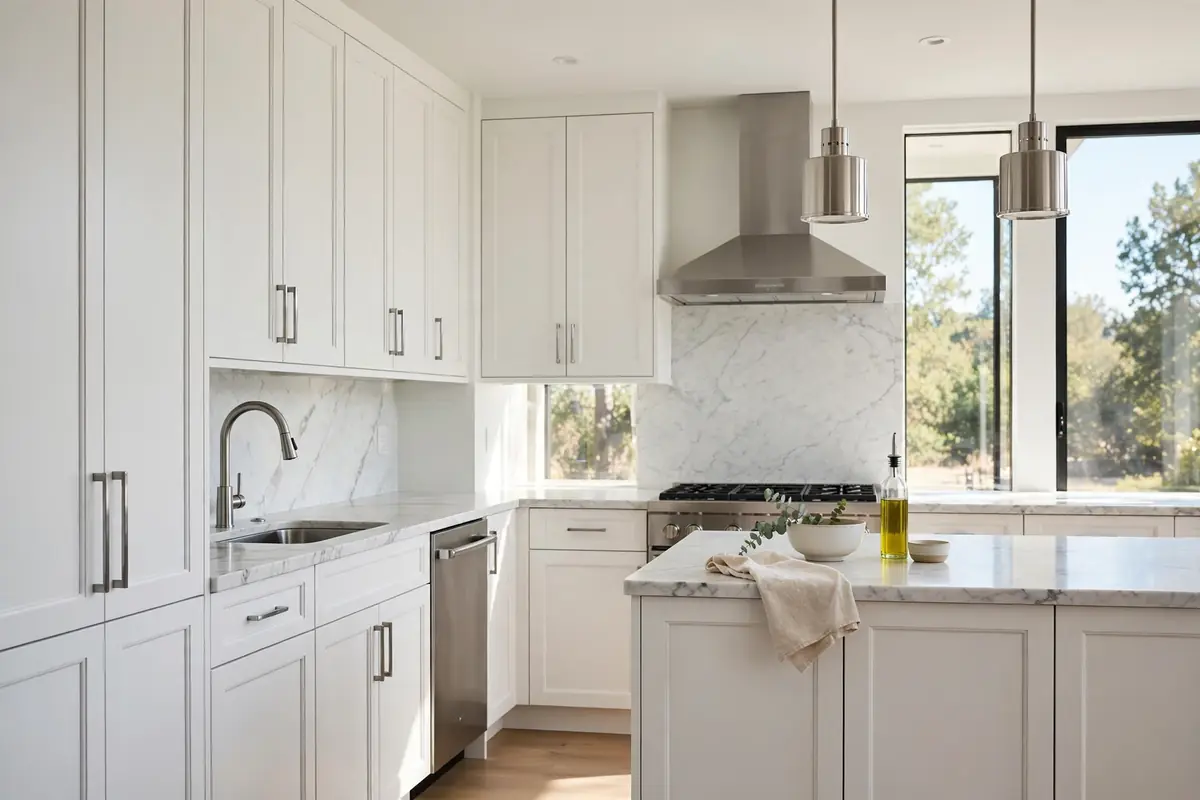
"Enamel" gets thrown around a lot in paint stores. Here's what it actually means and where it belongs in your home.
What enamel means
Enamel refers to paint that dries to a hard, durable, typically glossy finish — historically oil-based, now commonly water-based (acrylic) enamels that offer durability with easier cleanup. The defining trait is hardness and washability, not the base.
Where enamel excels
Trim, baseboards, doors, window frames, cabinets, and furniture — anything that gets touched, bumped, scrubbed, or needs to wipe clean. Walls in most rooms don't need enamel's hardness (and its higher sheen shows wall flaws).
Application tips
Enamel shows brush marks more than wall paint, so use quality brushes, don't overwork it, and consider additives (like floetrol-type conditioners) for leveling. Two thinner coats beat one thick coat. And respect dry times — enamel can feel dry but stay soft for days.
Pro vs. DIY
Enamel work — especially cabinets and trim — is where professional results visibly outpace DIY. Spraying, in particular, gives the glass-smooth finish brushwork can't match. For high-visibility trim and cabinetry, professional application is worth it.
Need help with your painting project? painters in Chicago — call (312) 517-2232 for a free estimate anywhere in the Chicago area.
FAQs
Both exist. Modern water-based (acrylic) enamels dominate for interior trim and cabinets — durable with soap-and-water cleanup.
You can, but its higher sheen highlights wall imperfections. Reserve it for trim, doors, and cabinets.
Dry to touch in hours; full hardness in 1–4 weeks depending on product. Handle gently early on.
Related Services
Keep Reading
How Much Does It Cost to Paint a House in Chicago?
Read more →